In John 10:7-10, Jesus presents Himself as “The Door” to the sheep, emphasizing that He provides salvation and abundant life, contrasting Himself with thieves who aim to harm. Despite its significance, the metaphor of Christ as The Door is often overlooked in modern sermons. The text explores the deeper implications of this imagery, highlighting its historical and theological context within the early Church and its connection to the Jewish concept of the Sabbath, suggesting a need for awareness of Christ’s call today.
TEXT IN PROGRESS September 7, 2026
Christ, The Door
7 Then Jesus said to them again, “Most assuredly, I say to you, I am the door of the sheep. 8 All who ever came before Me are thieves and robbers, but the sheep did not hear them. 9 I am the door. If anyone enters by Me, he will be saved, and will go in and out and find pasture. 10 The thief does not come except to steal, and to kill, and to destroy. I have come that they may have life, and that they may have it more abundantly.
John 10: 7-10
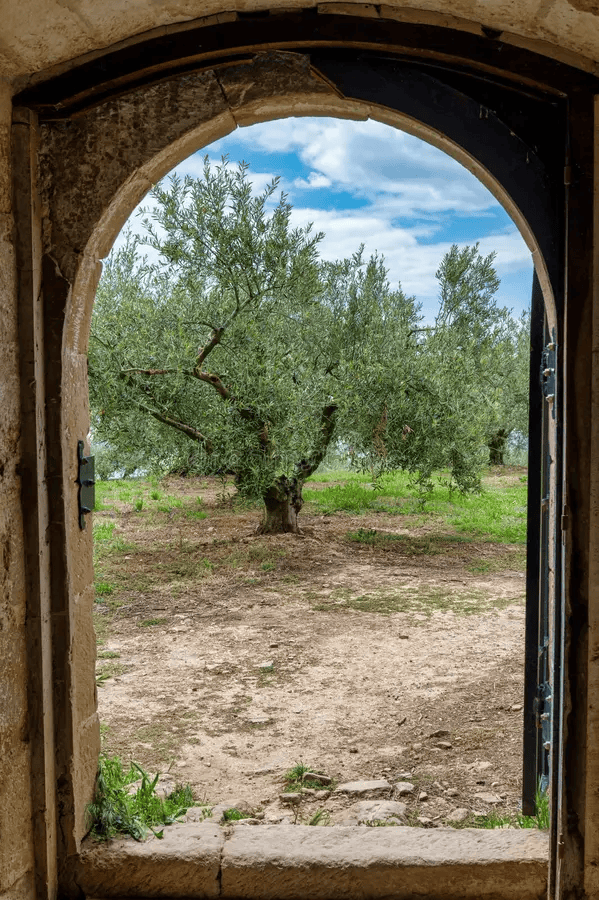
I have been in almost a hundred different Christian churches over the past twenty years, and I have never yet heard any minister or priest preach on Christ as The Door. I find this most curious. Why this errata? Why this oversight?
What is this Door? And what might it have meant to the people to whom Jesus spoke these words 2000 years ago?
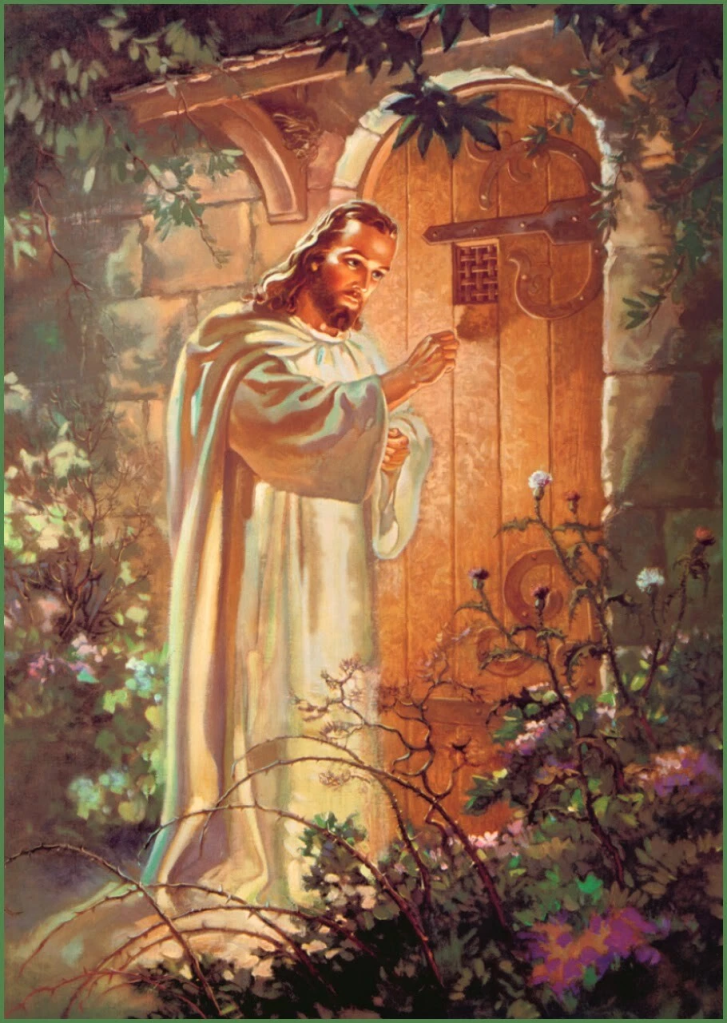
Jesus was not just knocking at the door of the heart of the human being (as pictured in Warner Sallman’s famous 1942 painting, Jesus Knocking At The Door).
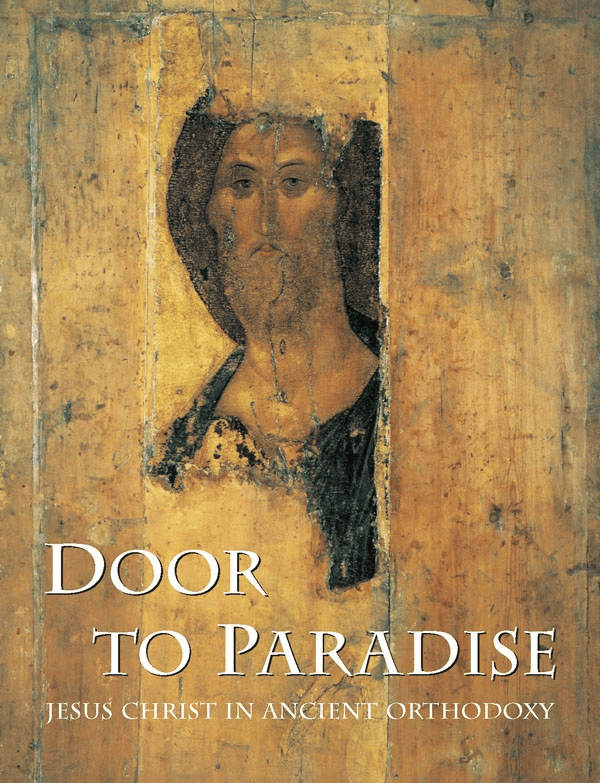
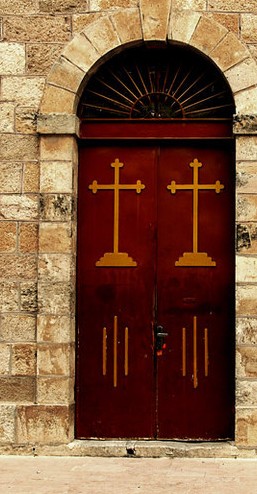
Rather, in the Scripture, Jesus Christ is literally The Door. And, to this day, in Orthodox churches, Christ is identified as the “Door” or “Gate” to heaven. The central Holy Doors in an orthodox iconostasis symbolically and physically represent this theological concept.
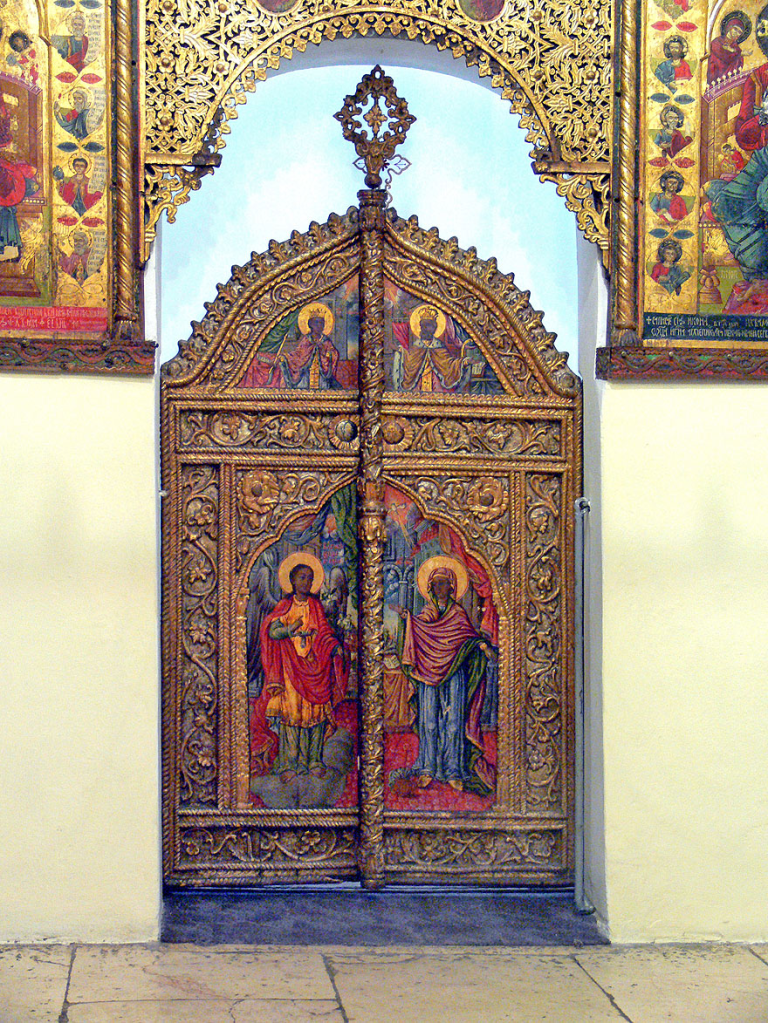
But is this all there is to The Door imagery, teaching and iconography of the Church?
The passage in question (John 10: 7-10) is situated in the Scriptures that teach of Christ as The Good Shepherd.
11 “I am the good shepherd. The good shepherd gives His life for the sheep. 12 But a hireling, he who is not the shepherd, one who does not own the sheep, sees the wolf coming and leaves the sheep and flees; and the wolf catches the sheep and scatters them. 13 The hireling flees because he is a hireling and does not care about the sheep. 14 I am the good shepherd; and I know My sheep, and am known by My own. 15 As the Father knows Me, even so I know the Father; and I lay down My life for the sheep. 16 And other sheep I have which are not of this fold; them also I must bring, and they will hear My voice; and there will be one flock and one shepherd.”
Jesus’ Body, like that of a Good Shepherd who cares about the sheep, lies across the entranceway of the sheep fold: His Body lies between the sheep and the fangs of the devouring wolves and prowling beasts of the wilderness. Jesus, quite literally, lays down his Life (v.15) and becomes that Door of safety and protection. With His selfless shepherding, the sheep are given many blessings: 1) they are able to rest, 2) they know to whom they belong, 3) they are able to hear, know and follow the Voice of the one who loves and cares for them (they cannot hear the voice of the false shepherd).
He lays down His Life only after the sheep have been gathering into the fold.
This is profound teaching. Far too many Christian today do not bother to listen for the Voice of the Shepherd. They do not give thanks for the Door of His Body. They recklessly consider themselves unassailable, ‘saved’ and redeemed. But, in order to be redeemed, one must be claimed; and to be claimed, one must have been called; and in order to have been called, one must have heard the Voice of the one who calls them. Who has called them? Who is calling to them?
Often, it is the ‘best of culture’ that calls to and claims a central place in Christians’ hearts. Our lives becomes about following the dictates of what the culture of our choice (whether Woke, Conservative, Evangelical or Liberal, etc.) deems virtuous. The living relationship — the ongoing response in Love to God and His Shepherd — seems absent. Another god lives in the mind and rules the heart.
How has this happened? What was lost along the way which led to this state of affairs? What might the early Christian Church’s understanding of The Door have been? And how might these understandings offer us a new appreciation and recognition of the Voice of Christ calling into the depths of our very being?
Arguably, what has been lost is a more Semitic — Hebrew, Aramaic — understanding of The Door. The Door was, at one time, not just a transactional entity i.e., you say a particular set of words — a formula — and the door will be opened to let you in among the fold of the saved. Rather, the image of The Door had to with receiving the Living Presence of the Most High — of welcoming the Shekinah of the LORD. It had to do with crossing a threshold into Sabbath Rest.
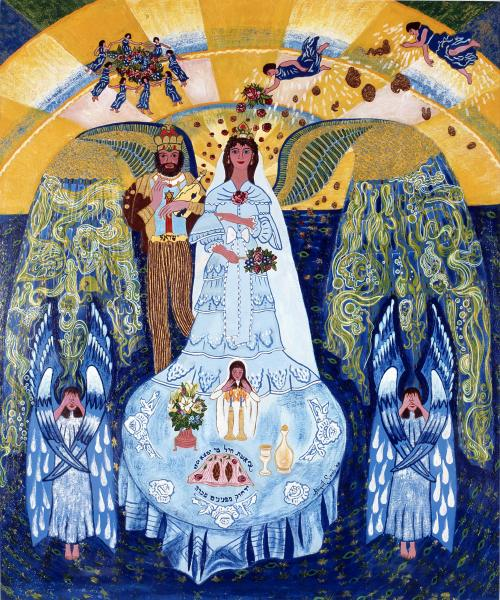
This sense of The Door remains in some celebrations of contemporary Jewish Shabbat. Some traditions yet still sing the Lecha Dodi, a song-hymn that welcomes the Sabbath as a beloved bride and queen. In the final verse of the Lecha Dodi, the congregation turns toward the door synagogue (or the house) and sings,
“Come in peace, O crown of her Husband, both with songs and gladness; among the faithful, the beloved people, come, O Bride, come, O Bride. Come, my Beloved, to meet the Bride; let us welcome the Shabbat.”
https://www.matthewkressel.net/2015/09/12/36-days-of-judaic-myth-day-5-the-sabbath-bride
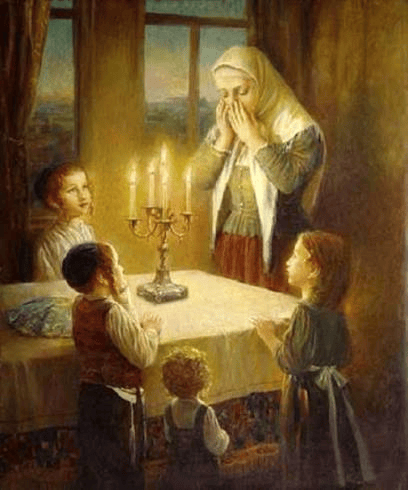
“Wake up, wake up! The Bride, of the Sabbath, is near at the Door.”
Hebrew: בָּרוּךְ אַתָּה, יְיָ אֱלֹהֵינוּ, מֶלֶךְ הָעוֹלָם, אֲשֶׁר קִדְּשָׁנוּ בְּמִצְוֹתָיו, וְצִוָּנוּ לְהַדְלִיק נֵר שֶׁל שַׁבָּת
Transliteration: Baruch Atah Adonai, Eloheinu Melech haolam, asher kid’shanu b’mitzvotav v’zivanu l’hadlik ner shel Shabbat.
Translation: “Blessed are You, Lord our God, King of the universe, who has sanctified us with His commandments, and commanded us to kindle the light of Shabbat.”
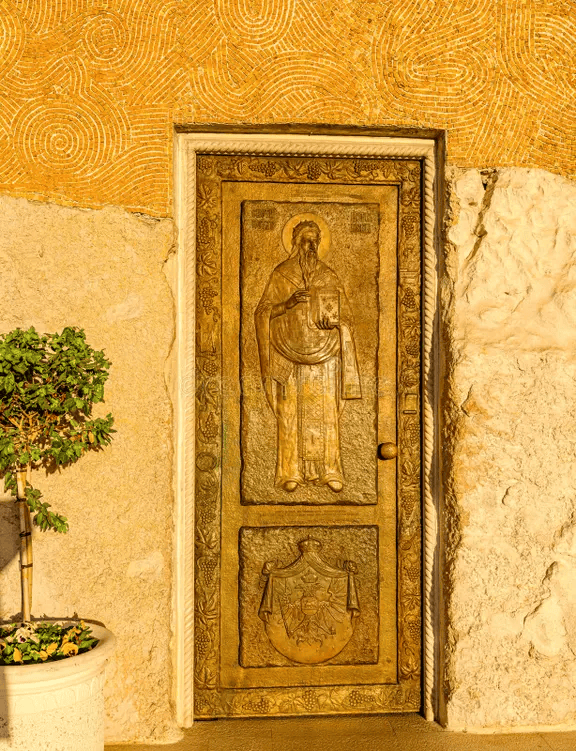
Crossing the Threshold