Reflection upon the mind-heartset with which to encounter the sacred images presented in the blog, emphasizing the importance of attentiveness and participation in one’s responses to these images. By fostering a peaceful, non-judgmental approach, individuals can deepen their spiritual awareness and creativity, integrating these experiences into their lives. The intention is to develop a genuine, living Church rooted in Christ, guided by the Holy Spirit, rather than mere institutional structures.
“The light of the body is the eye: if therefore thine eye be single, thy whole body shall be full of light. But if thine eye be evil, thy whole body shall be full of darkness. If therefore the light that is in thee be darkness, how great is that darkness!”
Matthew 6: 22-23
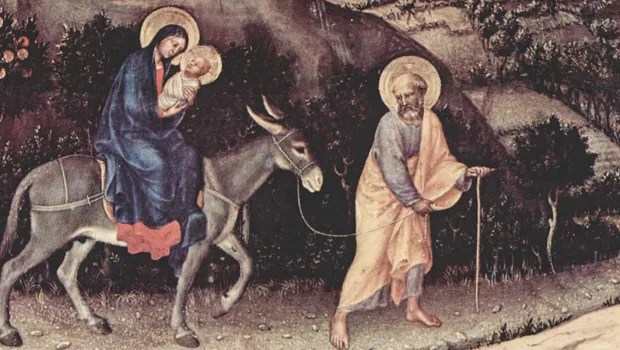
What is the quality of attention to bring to our engagement with sacred images?
Enlightenment philosophy, despite the claim in its very name to be filled with light, carries long shadows. Amongst its most pernicious ‘doctrines/dogmas’ was that of the camera obscura: the conscious mind is a screen upon which copies of an ‘objective’/’out there’ world are projected. As social media reveals in its attempts to ‘archive’ each moment of our lives, the idea that we can possess, capture of somehow ‘freeze’ reality in a stable image is still very much with us.
Such an idea was, however, very foreign to humanity for much of our existence. Indeed, such thinking might have been considered a disease — and art-forms that froze reality (such as visual art and sculpture) were always considered ‘lower’ (i.e., mere fabrications) than those art forms which were more living, such as music and speech.
Human consciousness was always very much considered to be partly the maker of what it saw — a participatory consciousness. And so it is with the images in this blog: how are you participating in the unfolding of them?; how are you bringing them to life again with your thought, affect and artistic expression?, In your integrating of them into your own reality?
Contemporary consciousness, compelled by AI and anti-human forces, is computational: it seizes on what is considers to be ‘facts’ and decides that the cold arrangement of these ‘facts’ must be thinking. So impoverished, it often falls back into heated associative thinking — a non-causal and often illogical cascade of seemingly related images — which is highly susceptible to manipulation by ‘the powers’. Cold and hot: neither mode of pseudo-consciousness is free; neither empowers the carrier of consciousness to be engaged in spiritual development or with genuine moral imaginations that might transform one’s way of living and being — to enable participation as a collaborative agent of creativity in the world. Both obscure reality: and if one’s eye is guided by them, one is led into spiritual blindness (what the Gospel passage above calls darkness).
So, I offer this word of caution before you engage with the blog — I warn you of the temptation to turn it into more information, more ‘factoids’, more ammunition in your fight against another, more self-serving and self-justifying, more grist for your own brilliant theories on how you ‘think’ the world really is, and how you are so much smarter than everybody else ….
To engage with these images, I ask that you begin to take your own soul seriously: specifically, in a non-judgmental, peaceful and non-reactive way, truly consider what attracts you about a certain image and what repels you. Consider your responses to an image — in a spirit of sobriety. Imagine you are seeing this ‘thing’ — clear and alone — in a desert landscape. It alone is what exists.
It may be helpful to think of the image as a child who draws all of your attention. Loving care of a child requires that we ‘forget’ ourselves and instead seek to know what is being revealed through a Being that is not us, but which is still somehow connected to us. Think of Mary and Joseph carrying the infant child into Egypt. This is your task: where is the place of inner refuge into which you can bring this image, gestate it and allow the Divine to bring it to birth within you and around you.

Bring your mind into your heart. Allow stillness and silence to inform what you notice there as you mull your own responses to the image. This place of stillness has been called the Single Eye in ancient Christian spiritual literature. It is a place in which internal divisions — our reactivity, out self-hatred, our dislike of others — is overcome. It was understood well by the hesychast monks of Eastern Orthodoxy; and the monks of the desert. In contemporary times, Thomas Merton was perhaps the clearest exponent of its Way. In this single eye, illumined by the Holy Spirit, one might find the Whole Eye, the truly Enlightening Eye, of which Christ spoke in Matthew’s Gospel. It is the healing power of the Logos-Christ. It is an image-language that can guide us into perceiving the whole of ourselves and the wholeness of other beings.
It is my hope that it will guide you to “the Christ in me” (Galatians 2:20).
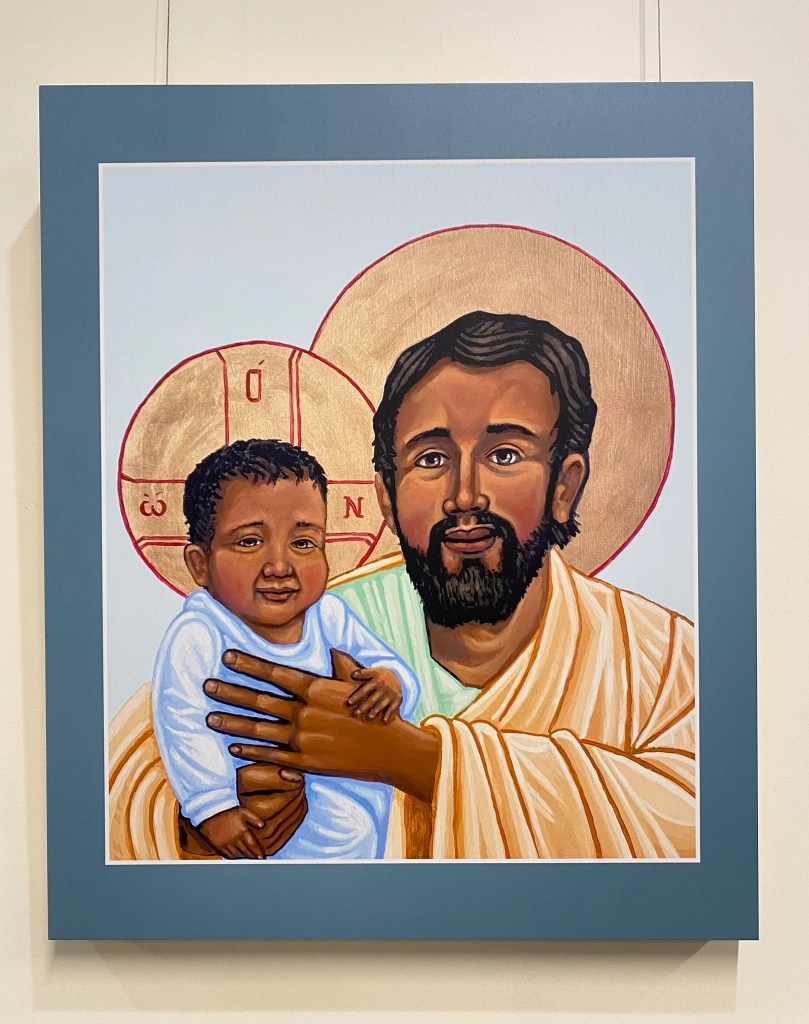
What images arise in your heart and mind as you allow this? What are the qualities of these images? This is a process of Visio Divina (the visual counterpart of Lectio Divina, a sacred manner of listening to and being shaped by Sacred Scripture/the Word). Be willing to share these impressions with God — the Supreme Being, the Creator — a humble, yet profound, offering. Bring these images into your sleep. Ask you Guardian Angel to guide you through them. Be open to your dreams.
Once every so often, be courageous and do something artistic with these images — sculpt them, draw them, paint them, craft a mandala, move them, speak them. Continue to make these as an offering to god.
Notice how your ‘digestion’ of the image starts to inform and nourish your daily living. Notice how it shifts your understanding of Sacred Scripture.
May these lead you, united in Christ, to find that Body, that community organism of Christ — His True Bride, His Church. Then may the fruit of these reflections truly come into being: for it is, as Thomas Merton said, in serving others, as a member of that Body in Christ, that we truly become that which God intended us to be: to share in the priestly, prophetic and kingly offices of Christ.
Ephesians 4: 15-17:
“but, speaking the truth in love, may grow up in all things into Him who is the head—Christ— from whom the whole body, joined and knit together by what every joint supplies, according to the effective working by which every part does its share, causes growth of the body for the edifying of itself in love.”
The world today needs a genuine Church — not a building, not an institution, but a living, breathing, developing, growing Being in Christ; a Body which is living into and from out of the Presence of Christ. All this is through the Holy Spirit. We do not make this happen. Should you choose to walk this path, you will be guided and taught its Way. Only the Holy Spirit can do the work of the Holy Spirit.
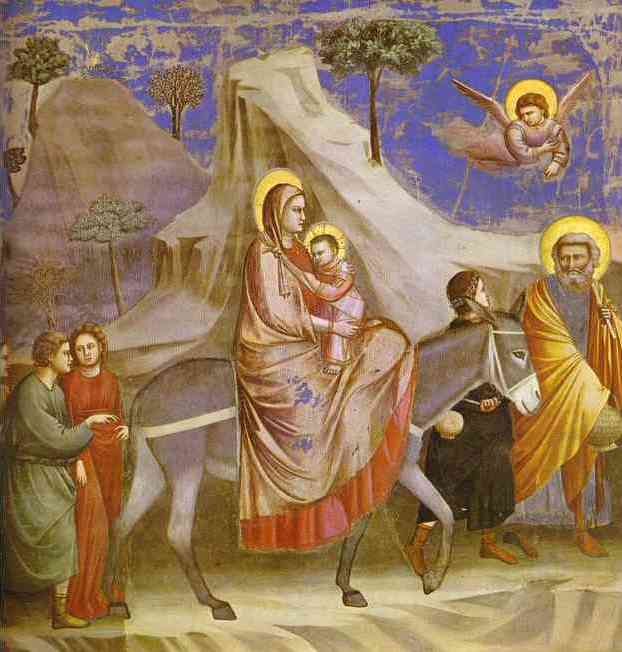
 Christ: Lost and Found